Third-party Certification of Fire Doors
Third-party certification of fire doors
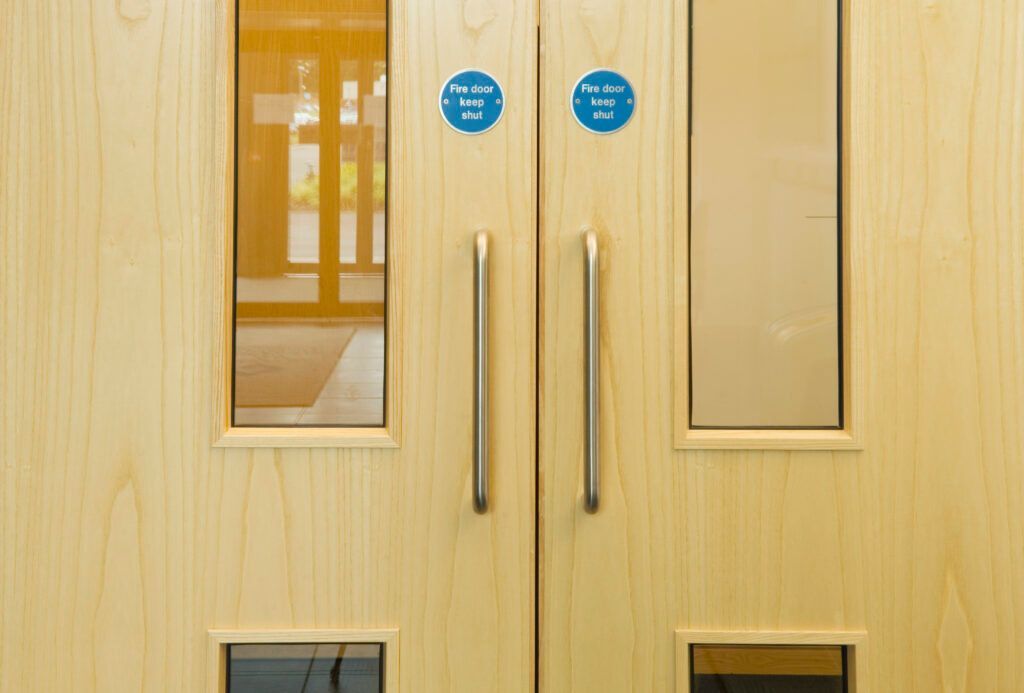
Third-party certification of fire doors is a crucial component in ensuring that fire doors are safe, reliable, and fit for purpose. As part of a wider active and passive fire protection system, fire doors are designed to prevent the spread of fire and smoke, protecting people and property from harm. As such, they are subject to rigorous testing and certification processes to ensure that they meet relevant safety standards.
Third-party certification involves an independent body assessing the performance of a fire door against a set of specific criteria. These criteria may include factors such as fire resistance, smoke control, and durability. The certification body will typically conduct tests on the fire door to ensure that it meets the required performance standards and will then issue a certificate to confirm that the door is fit for purpose.
There are several benefits to third-party certification of fire doors. Firstly, it provides assurance to building owners and occupants that the fire doors installed in the building are safe and reliable. This is particularly important in high-risk environments such as hospitals, schools, and high-rise buildings. Secondly, third-party certification provides evidence that the fire doors have been tested to rigorous standards, giving building owners and occupants confidence that they will perform as intended in the event of a fire. Finally, third-party certification can help to prevent the installation of substandard fire doors, reducing the risk of fire-related injuries and fatalities.
In summary, third-party certification of fire doors is an essential component in ensuring that fire doors are safe, reliable, and fit for purpose. By providing independent assessment of fire doors against specific performance criteria, third-party certification gives building owners and occupants confidence that the doors will perform as intended in the event of a fire, reducing the risk of harm to people and property.
A third-party certificated fire door will give you the following reassurances:
• A manufacturers declaration of performance
• An original test report
• An effective quality management system in the factory to ensure quality and consistent manufacture
• A regular and independent third-party factory audit
• Product support identification
• Random regular audit testing in a furnace
• Detailed parameters of usage
• Control of cascaded evidence
• Standardised installation and maintenance information
• Full traceability via permanent labelling or markings
Certification Is Just the Starting Point
Third-party certification gives you confidence that a fire door was manufactured and tested to the correct standard, but that assurance only holds up if the door continues to perform as intended throughout its life. Wear, damage, and incorrect adjustments can all compromise a certified door over time, which is why regular
fire door inspection and maintenance is essential alongside certification, not instead of it.
If you'd like help verifying your fire doors are correctly certified, or want a maintenance schedule put in place to keep them compliant, get in touch with our team today.
Call us on 0330 220 0303 or contact us to arrange a survey.