Passive Fire Protection in Construction: A Complete Guide to Fire-Stopping and Compliance
At Verus Group, we understand that safety is non-negotiable in construction and building management. One of the most critical yet sometimes overlooked aspects of building safety is passive fire protection. While active fire systems such as sprinklers and alarms are crucial, they rely on detection and activation, whereas passive fire protection works quietly and continuously to contain fire, protect people, and preserve property.
In this guide, we aim to demystify what passive fire protection involves, explain why fire-stopping is a key component of compartmentation, and highlight how non-compliance can lead to serious safety risks, project delays, and legal consequences. Whether you are a developer, contractor, or building manager based in London or elsewhere in the UK, this article is designed to provide you with practical insights and expert guidance.
What is Passive Fire Protection?
Passive fire protection (PFP) refers to built-in design features and materials that help a building resist fire and slow the spread of fire and smoke, without requiring activation or human intervention. Essentially, it is the “hidden armour” of a building, designed to protect both occupants and assets when a fire occurs.
Within its scope, PFP usually covers:
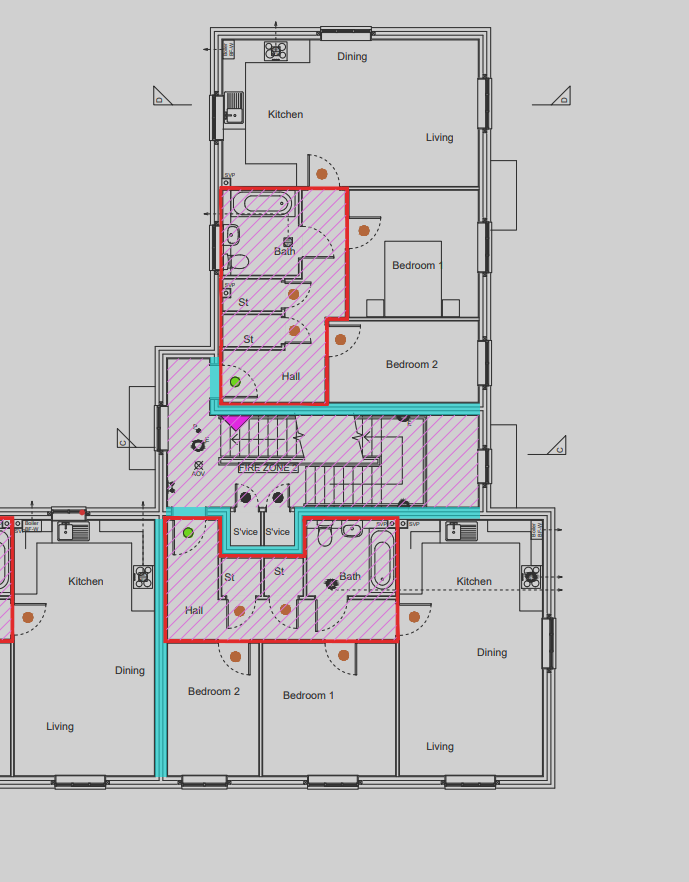
- Fire-resisting walls and floors forming compartments – these compartment walls and floors are designed to contain a fire to its room or floor of origin, slowing its spread.
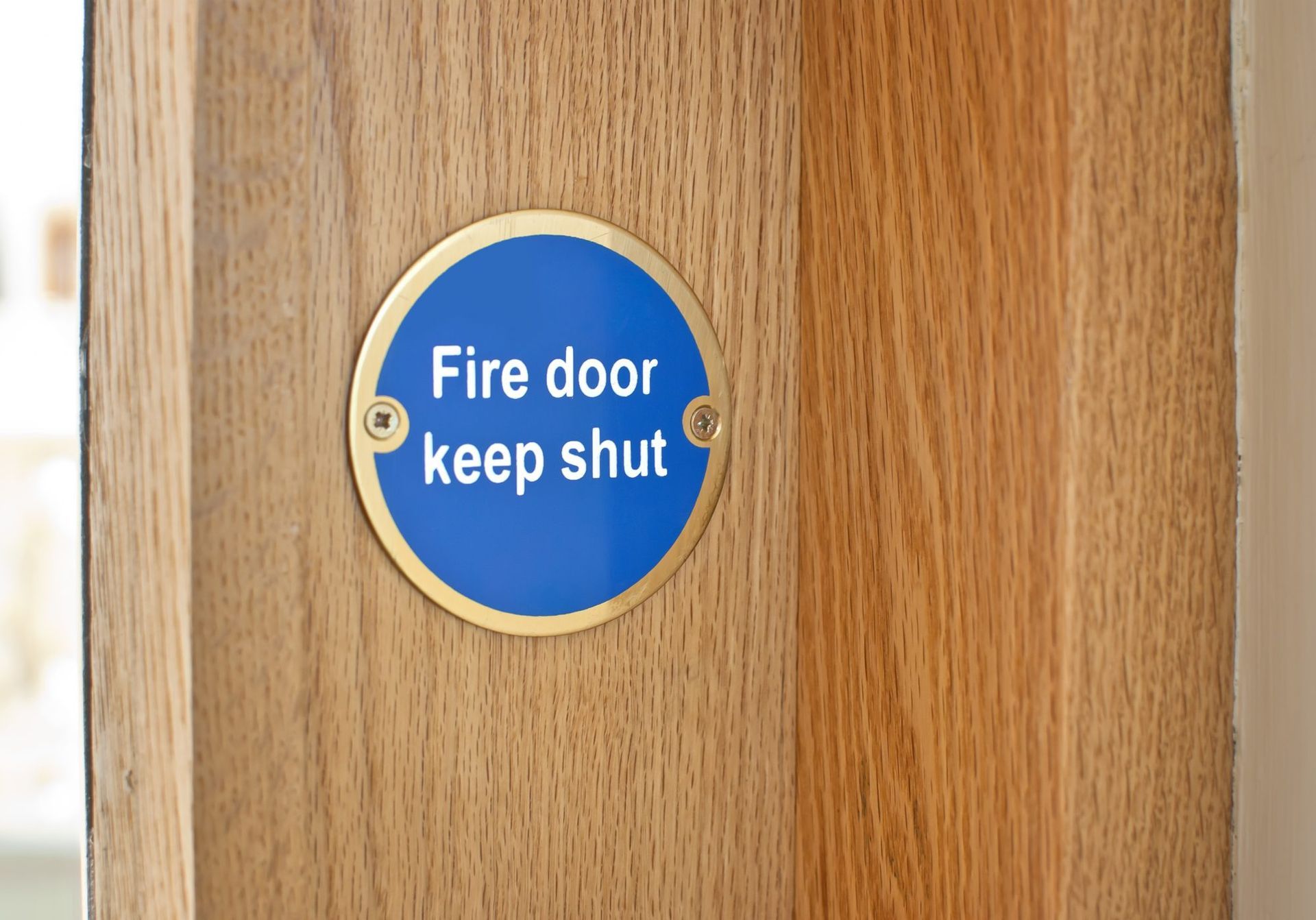
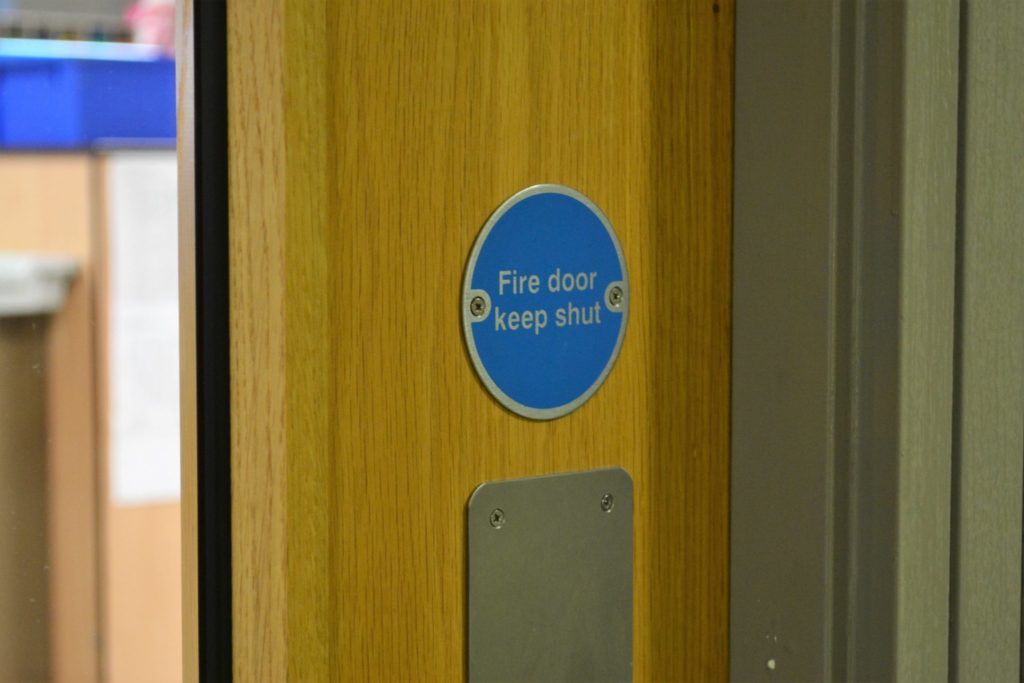
- Fire-resisting doors and shutters – properly rated doors and shutters prevent fire and smoke from moving between compartments.
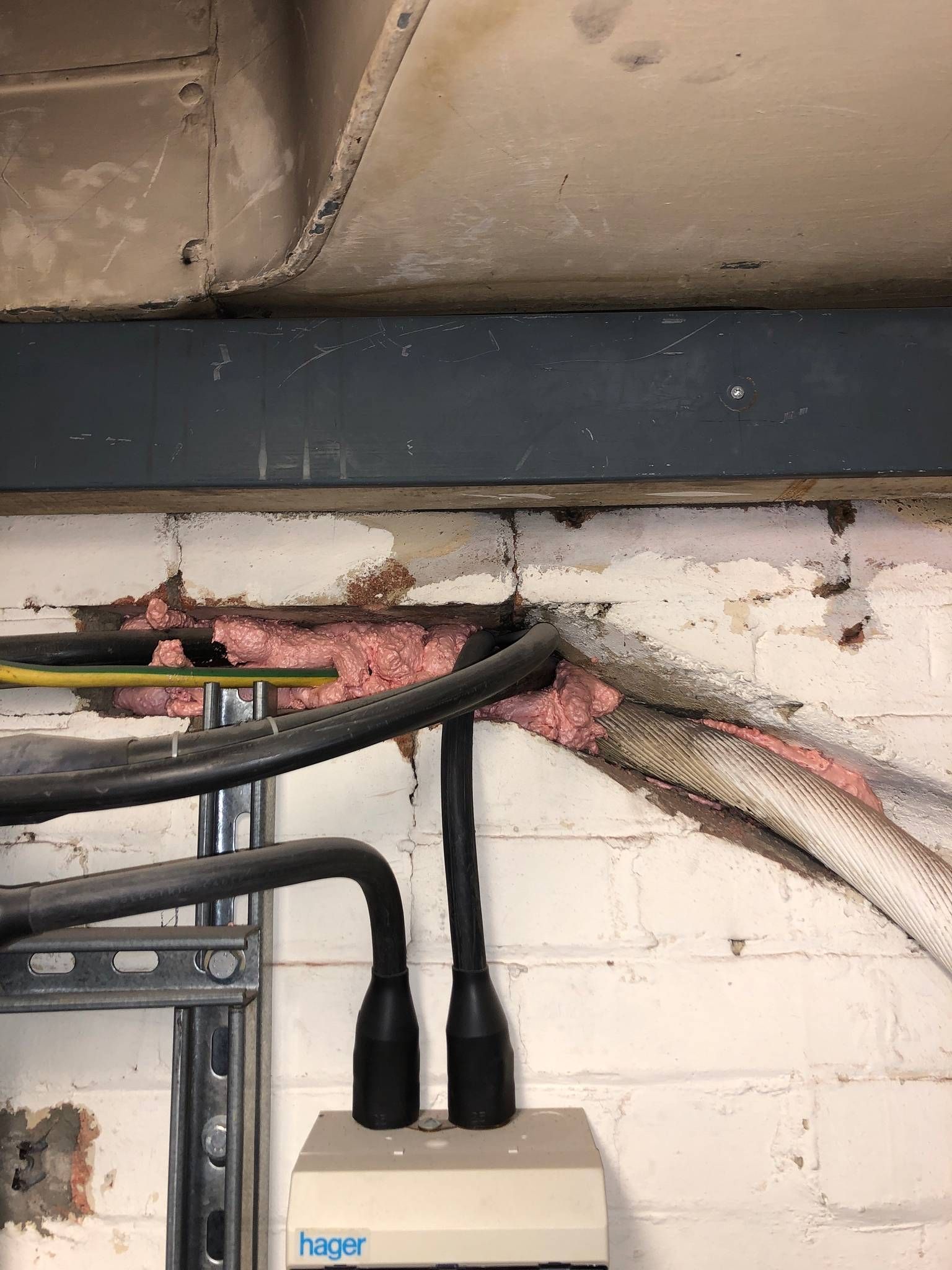
- Sealing of service penetrations and construction joints (fire-stopping) – gaps left for pipes, cables, or ductwork are sealed to maintain the integrity of the compartment.
- Fire-resistant barriers and structural protection – structural elements such as beams and columns can be treated with fire-resistant coatings or encasements.
- Ensuring compartment integrity – this is the central principle: the building is designed so that fire is contained, giving occupants time to escape and emergency services a manageable area to tackle the fire.
At Verus Group, we are a third-party-accredited company specialising in passive fire protection, fire-stopping, and fire-door installation across the UK, delivering solutions that meet the highest regulatory standards.
Why Passive Fire Protection Matters in Construction
Life Safety and Evacuation
The primary purpose of passive fire protection is to save lives. Without an appropriate PFP, a fire can spread rapidly through unsealed walls, floors, or ceilings, compromising safe escape routes. Proper fire-stopping allows occupants more time to safely exit the building and gives emergency services a contained area to respond effectively. For example, in multi-storey residential blocks, fire-stopping around service risers and stairwells can prevent smoke and flames from quickly reaching upper floors, which is critical during evacuation.
Regulatory Compliance
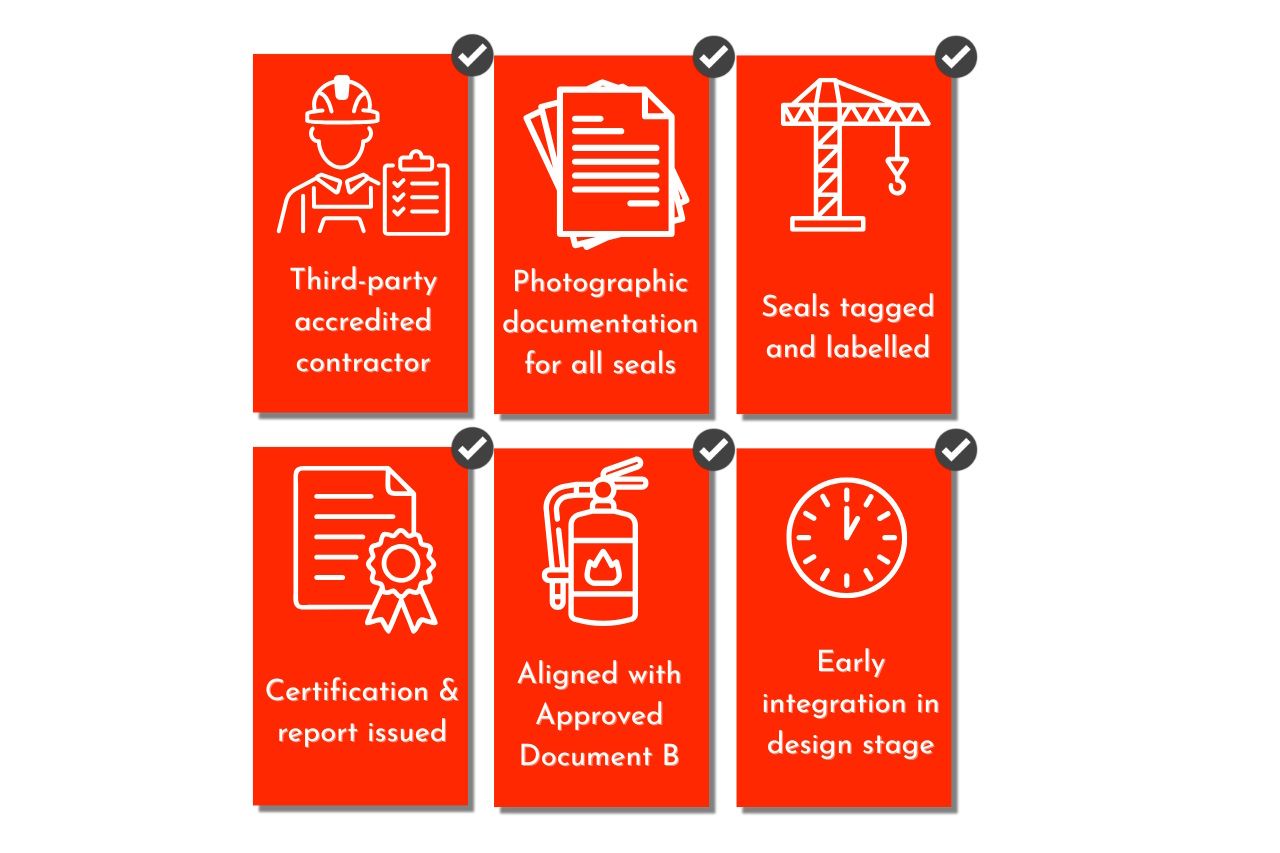
In the UK, all new builds, including public, commercial, and residential projects, must comply with fire-safety requirements set out in Approved Document B. Failure to meet these standards can result in enforcement action, costly remedial works, and reputational damage. At Verus Group, we work closely with designers, contractors, and clients to ensure compartment lines are correctly implemented and maintained, supporting compliance throughout the project lifecycle.
Property Protection and Structural Integrity
Passive fire protection does more than save lives; it also protects property and structural elements. By confining a fire to one compartment, damage is minimised, and the risk of structural failure is reduced. Fire-stopping seals at the junctions of walls, floors, and doors are essential to maintain the fire-resistance rating and preserve the building’s integrity. For developers and building managers, this means less downtime, fewer costly repairs, and a safer building overall.
Risk Management, Delays, and Legal Consequences
If fire-stopping is defective or omitted, the consequences can be severe. Risks include:
- Increased chance of injury or loss of life.
- Legal and reputational exposure for building owners, developers, and contractors.
- Project delays caused by remedial works.
- Failure to pass inspections or handover criteria.
- Non-compliance with Building Regulations, potentially resulting in enforcement action.
Professional passive fire protection is therefore not optional; it is a critical component of responsible building management.
Fire-Stopping: The Cornerstone of Compartmentation
What is Fire-Stopping?
Fire-stopping is the process of sealing openings, penetrations, and joints in compartment walls and floors to preserve the fire-resistant integrity. Common penetrations include cables, pipes, and ductwork. Even small gaps can allow fire and smoke to bypass a compartment and spread rapidly.
New Build Fire-Stopping
In new construction, fire-stopping should be considered from the design phase. Verus Group works alongside architects, M&E contractors, and principal contractors to identify potential weak points and specify the correct materials and installation methods. Early-stage engagement prevents costly rework and ensures fire compartmentation meets Approved Document B standards from day one.
Retrofit Fire-Stopping
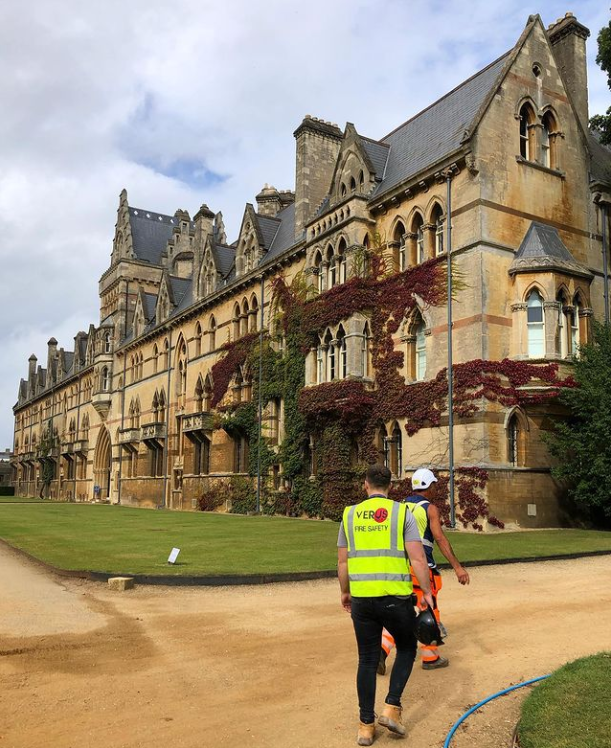
For older buildings, fire-stopping may be absent or insufficient. Retrofit works often involve complex challenges such as occupied spaces, unusual structural layouts, or heritage restrictions. Verus Group provides innovative solutions for retrofitting fire-stopping in buildings up to 100 years old, ensuring compliance while minimising disruption.
Verus Group’s Fire-Stopping Process
- Site assessment – our engineers survey the building and identify all penetrations and joints requiring fire-stopping.
- Tailored plan and specification – a bespoke plan is developed for each project, including recommended materials and methods.
- Quotation and approval – clear costings and technical specifications are provided for client approval.
- Professional installation – our trained engineers carry out fire-stopping with precision and attention to detail.
- Project support and guidance – technical advice is available throughout the works.
- Certification and documentation – a full report is provided, including photographs, materials used, and compliance confirmation.
This process ensures clients receive a fully compliant, safe, and auditable solution.
Compliance and Best Practice in the London / UK Market
Verus Group holds a range of respected accreditations, including BM TRADA Q‑Mark, Constructionline Gold, SMAS Worksafe, and Alcumus Safe Contractor, demonstrating our commitment to quality and safety. We emphasise documentation and inspection readiness, with engineers maintaining detailed records and photographs of all works. Penetration seals are tagged to show completion, installer identification, and contact details, providing a comprehensive audit trail.
Working across London and the UK, we deliver passive fire protection for a wide variety of sectors, including residential blocks, commercial buildings, schools, healthcare facilities, and data centres. Early-stage collaboration with designers and contractors is a key best practice, ensuring compartmentation is embedded from the design phase rather than treated as an afterthought.
Common Risks & Pitfalls with Passive Fire Protection
Even minor issues with passive fire protection can have serious consequences. Common problems include:
- Unsealed service penetrations allowed fire and smoke to spread.
- Poor continuity of compartmentation due to gaps or missing seals.
- Missing or incorrect documentation complicates inspections and compliance checks.
- Retrofit challenges in older buildings or heritage properties.
- Delays and additional costs caused by remedial work.
- Non-compliance with Approved Document B or fire-risk assessments.
Ensuring professional installation of passive fire protection and fire-stopping is essential to mitigate these risks and maintain safety, compliance, and building integrity.
How Verus Group Supports You
In the high-stakes world of construction, passive fire protection cannot be an afterthought. Verus Group provides expert fire-stopping and passive fire-protection solutions across London and the UK, with accreditation, detailed documentation, and years of experience ensuring reliability and compliance. Whether you’re planning a new build or managing an existing asset, engaging with specialists like Verus Group early on helps save time, reduce costs, and mitigate risk.
Contact
Verus Group today to ensure your fire-safety measures are fully compliant, documented, and worry-free.