Protecting Our Future: The Importance of Fire Stopping in Schools
In the period between 2018 – 2021, there were 1,937 fires at educational premises in the UK, 411 of which were recorded as deliberate.
The safety of our children is paramount, and nowhere is this more evident than in our schools. These educational institutions serve as the foundation for our children's future, shaping their lives and providing a nurturing environment for growth and learning. Ensuring the safety of students and staff is a top priority, and one critical aspect of this safety is fire stopping. In this blog, we'll discuss the role of compartmentation in schools, highlight the misuse of materials like PU foam, and explore the significance of fire stopping in safeguarding these educational spaces.
Compartmentation: Creating Safe Zones
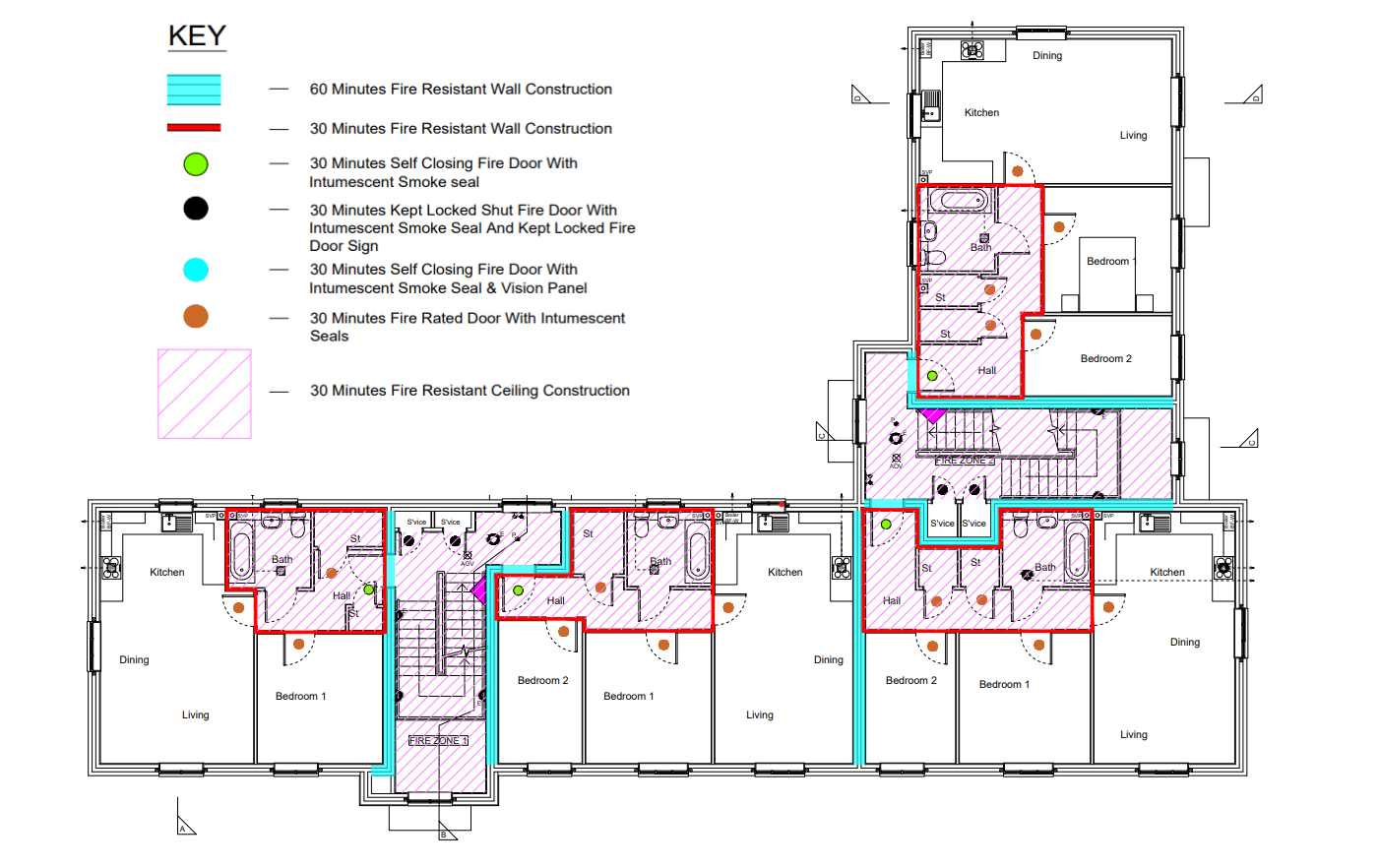
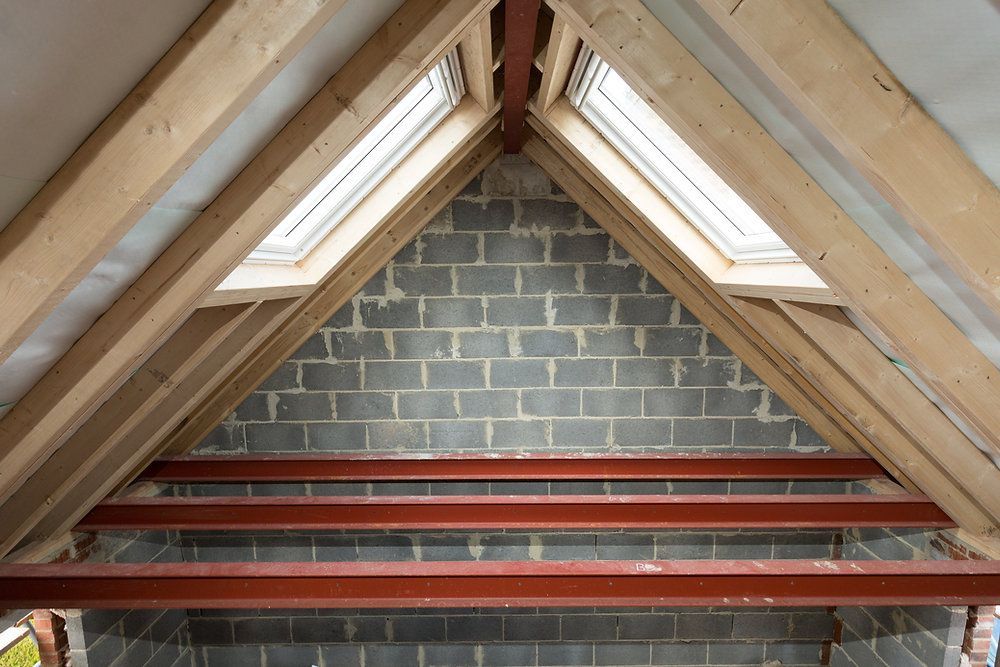
Compartmentation is an essential aspect of fire safety across schools and other educational premises. It involves dividing a building into smaller, fire-tight areas which can withstand flames and heat for a specified period, using a combination of tested systems and construction materials. To demonstrate how this works, we have provided an example floor plan at the end of this article, displaying the fire compartmentation design within a block of flats. The benefits of compartmentation include:
- Delaying Fire Spread: Compartmentation buys valuable time for occupants to evacuate and for first responders to arrive and contain the fire.
- Limiting Damage: Fire-resistant compartments prevent fires from spreading to other parts of the building, reducing property damage.
- Minimising Smoke and Toxic Gas Spread: Effective compartmentation helps keep smoke and toxic gases contained, enhancing the chances of a safe evacuation.
Fire Stopping: A Crucial Component of School Safety
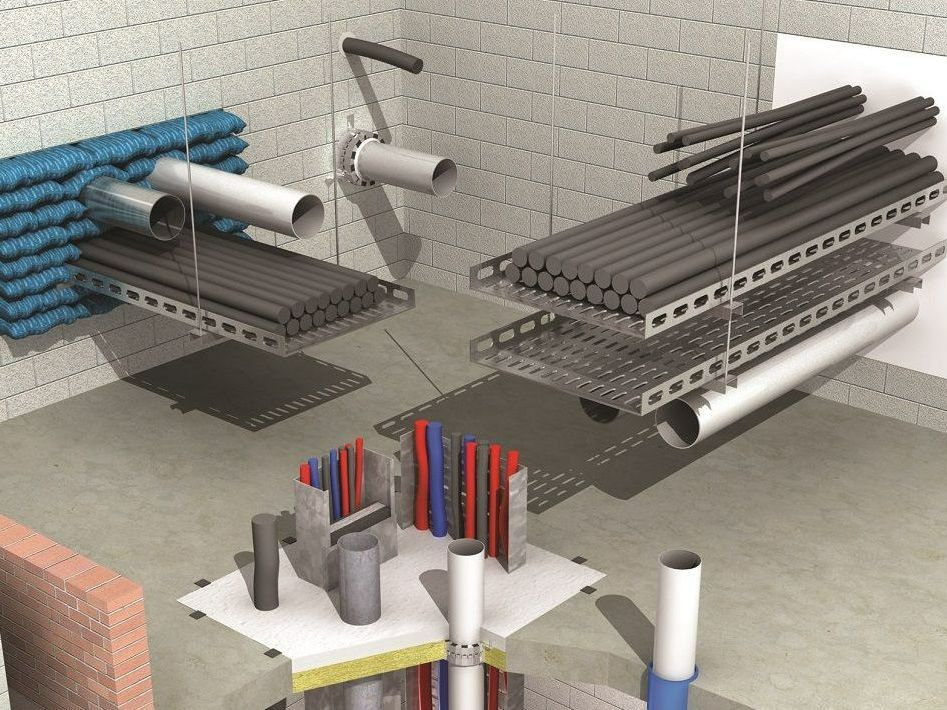
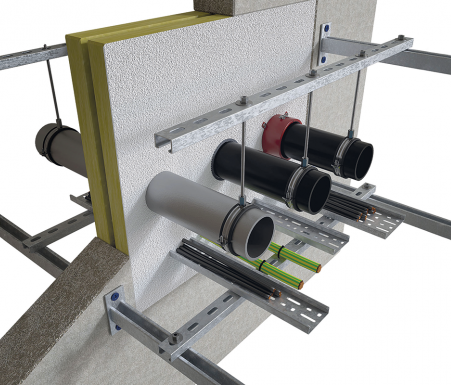
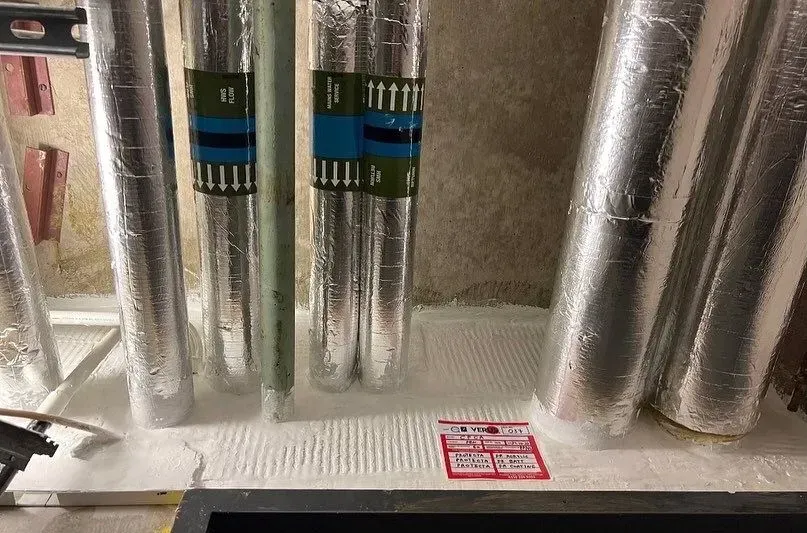
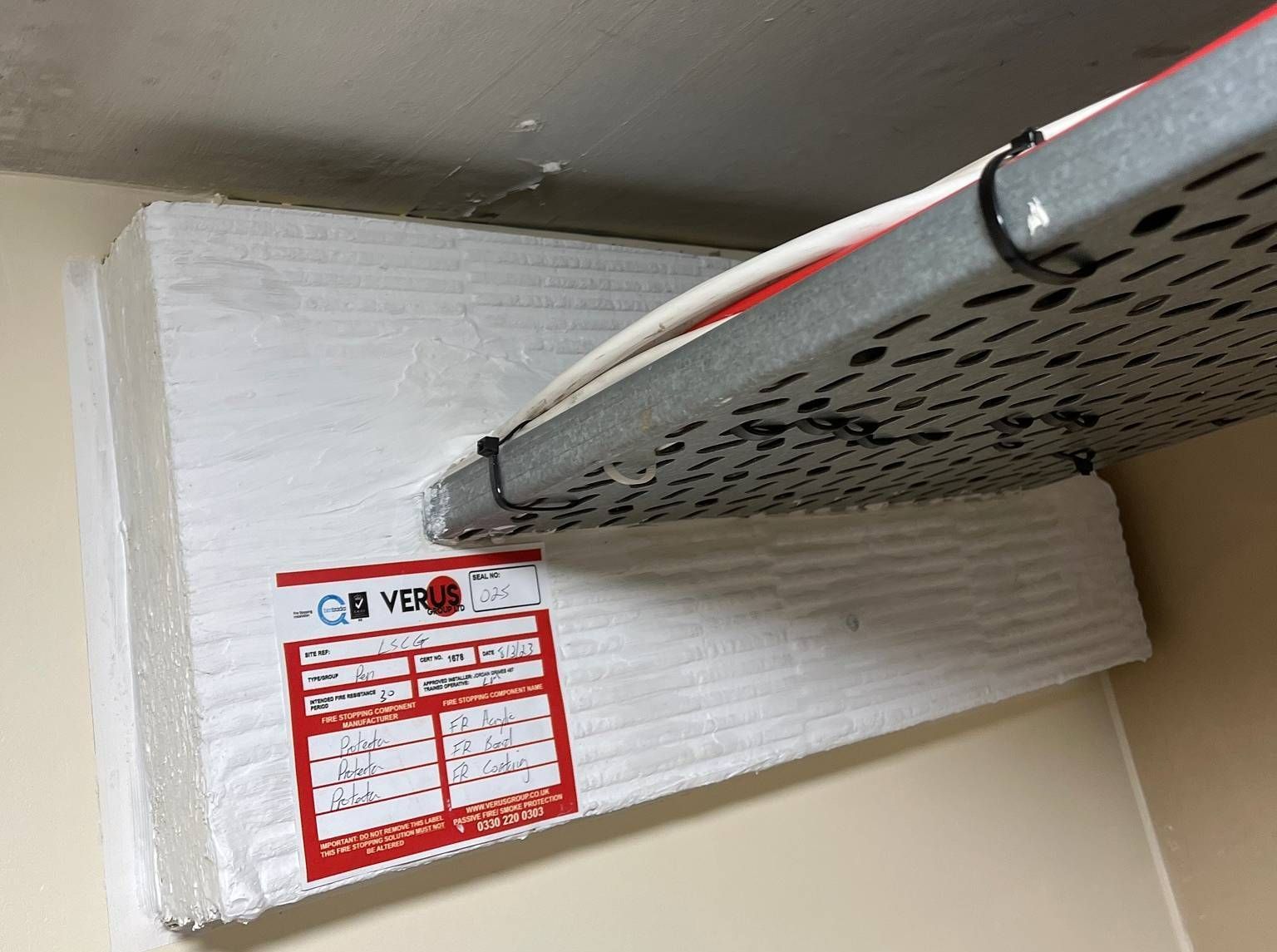
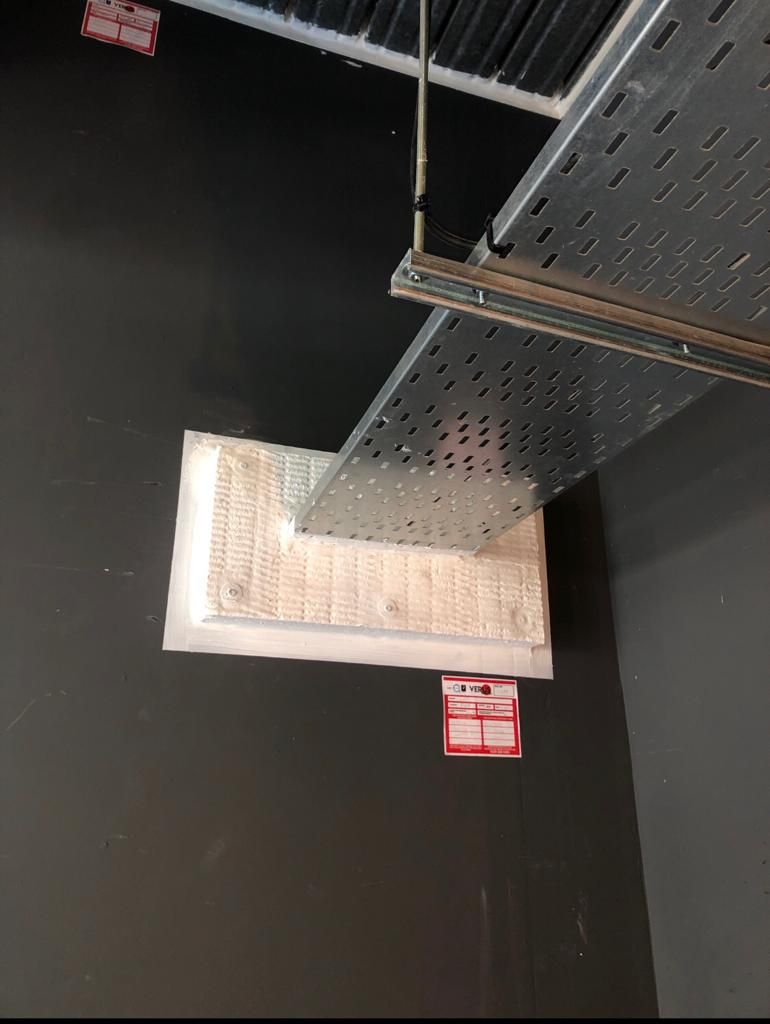
Fire stopping is a major component in supporting effective compartmentation. It specifically relates to the sealing of openings/penetrations, linear gaps, cavities, and dampers, which may be present in a building where services pass from one compartment to another, at meeting edges of walls or ceilings, or within ventilation ducting. A system of fire-resisting or intumescent materials and devices is used in order to obstruct the spread of fire, smoke and toxic gases throughout a building. It's an indispensable element in school safety and plays a pivotal role in providing sufficient time for evacuation in case of a fire outbreak, whilst also offering first responders a safer environment from which to control the situation and save lives. Effective fire stopping within schools can:
- Protect Lives: The safety of students, teachers, and staff should always be the top priority in schools. Effective fire protection for buildings like these is essential for preventing the rapid spread of fire, giving everyone inside more time to evacuate safely."
- Reduce Property Damage: Fires in schools can result in substantial and costly property damage. Correctly-installed fire stopping can help contain fires to specific areas, minimizing damage and the subsequent cost of repairs.
- Ensure Continuity of Education: By preventing the rapid spread of fire, fire stopping measures can help maintain the structural integrity of the building, ensuring that the educational institution can continue to serve its primary purpose: providing education.
Misuse of PU Foam - A Potential Hazard:
Polyurethane (PU) Foam is a versatile material commonly used for various construction and insulation purposes. However, its misuse in the context of fire stopping can have catastrophic consequences. PU Foam is highly flammable and emits toxic gases when ignited. Some of the potential issues with PU Foam in fire stopping applications include:
- Rapid Combustion: PU foam can catch fire quickly and propagate intense heat and flames, contributing to the rapid spread of fire within a building.
- Toxic Fumes: When PU foam burns, it releases toxic gases, including carbon monoxide, which can incapacitate and harm individuals trying to escape a fire.
- Intense smoke: The production of dense smoke as it ignites can drastically reduce visibility, inhibiting an individual's ability to find a safe exit, as well as causing respiratory difficulties.
- Ineffective Fire Stopping: When used incorrectly or inappropriately, PU foam can undermine the intended fire stopping measures, making it a poor choice for fire containment.
In summary, fire stopping and compartmentation are integral components of a school's fire safety strategy, working together to safeguard the lives of students, teachers, and staff while also protecting the institution itself. The misuse of materials like PU foam can have dire consequences, underscoring the importance of adhering to strict fire safety standards.
To ensure the safety of our schools, it's essential for educational institutions to invest in the regular inspection and maintenance of built-in fire safety components, and to educate their staff and students about fire safety procedures. By doing so, we can maintain a secure learning environment that protects our future generation and empowers them to thrive.
Schools are legally required to conduct organised and methodical Fire Risk Assessments on an annual basis. In addition, the Responsible Person should consider whether a specific compartmentation and fire stopping survey would be advisable in order to identify any breaches which may have occurred during the school's lifetime.
If you have any concerns over any of the topics we have discussed in this blog, or about the educational premises you work in/attend, please do not hesitate to
contact us.