The Truth About Pink Foam and Fire Stopping: Understanding the Limitations and Risks
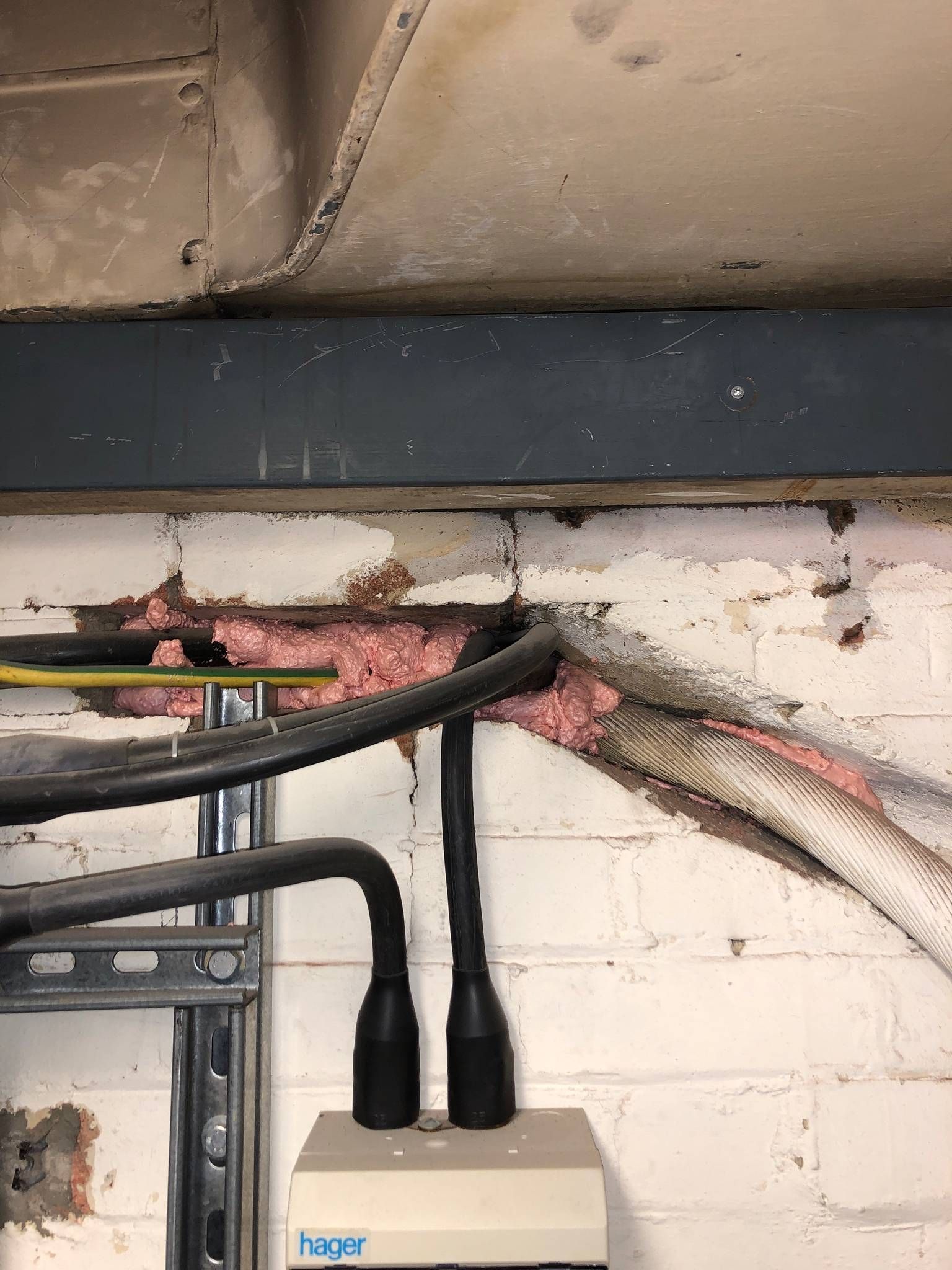
Why is Polyurethane (PU) Foam used?
PU Foam, also known as expanding foam, is generally thought of as a cheap and quick-to-use product, and has been widely used in the construction industry filling and sealing gaps and penetrations. The PU foams which are marketed as fire-resisting and sometimes used for "fire stopping", are usually pink to distinguish from other foams, and are therefore commonly referred to as 'pink foam'. If a competent, third-party accredited contractor was present, however, it is extremely unlikely that they would recommend or use it for fire-stopping purposes.
6 reasons why PU Foam is not suitable for Fire Stopping:
- Lack of Proper Fire Resistance: Pink expanding foam, despite claiming to be 'fire-rated' on the packaging, often falls short when it comes to providing adequate fire resistance. Whilst is is not considered flammable, it may not have the necessary fire retardant properties and test data across a broad spectrum of scenarios which would be required for effective fire stopping in many instances.
- Insufficient Smoke Barrier: Fire stopping materials should not only prevent the spread of flames but also act as a barrier against smoke. Pink foam may not possess the necessary properties to effectively contain smoke, which can be equally hazardous during a fire incident.
- Limited Durability: Fire stopping materials should be able to withstand the rigors of time and maintain their integrity over the long term. Pink foam, however, may degrade or deteriorate over time, compromising its ability to effectively stop the spread of fire.
- Inadequate Expansion Control: Expanding foam can inflate in an unpredictable manner leading to uneven coverage, sometimes expanding beyond its intended boundaries, or even leaving unnoticed gaps. This can create pathways for fire and smoke to bypass the fire stopping measures, rendering them ineffective.
- Hazard to Health: Expanding foam can produce toxic fumes that can cause permanent health damage.
- Compliance Issues: Reputed organisations such as ASFP, BMTRADA, FIRAS, and IFE strongly recommend the removal and replacement of pink foam installations with authentic fire-rated alternatives. The primary concern lies in the difficulty of accurately tracing the product without conducting chemical composition testing. To ensure reliable fire safety measures, it is advisable to opt for fire-rated materials with suitable test data that can be easily identified and verified for their intended use.
We are your fire stopping specialists. If you have concerns over the use of pink foam within your building, contact us today for further advice.