A guide to firestopping materials
A guide to firestopping materials

Firestopping materials are essential components of fire protection systems in buildings. These materials are designed to prevent the spread of fire and smoke through the building's walls, floors, and ceilings. There are several different types of firestopping materials available, each with their own unique characteristics and applications. Here is a guide to some of the most commonly used firestopping materials:
- Intumescent Sealants / Mastic
Intumescent sealants or mastics are typically used to seal gaps around pipes, cables, and other penetrations in fire-rated walls and floors. These sealants contain chemicals that expand when exposed to heat, creating a barrier that helps to prevent the spread of fire and smoke.
They come with different compositions for different uses, such as graphite or high expansion, or intumescent acrylic.
- Firestop Mortar
Firestop mortar is a cement-based material that is used to fill large openings in fire-rated walls and floors. This material is typically used in areas where pipes, ducts, and other large penetrations need to be sealed.
- Firestop Putty:
Firestop putty is a pliable material that can be moulded to fit around pipes, cables, and other small penetrations in fire-rated walls and floors. This material is typically used in areas where there is limited space to install other types of firestopping materials.
- Firestop Pillows:
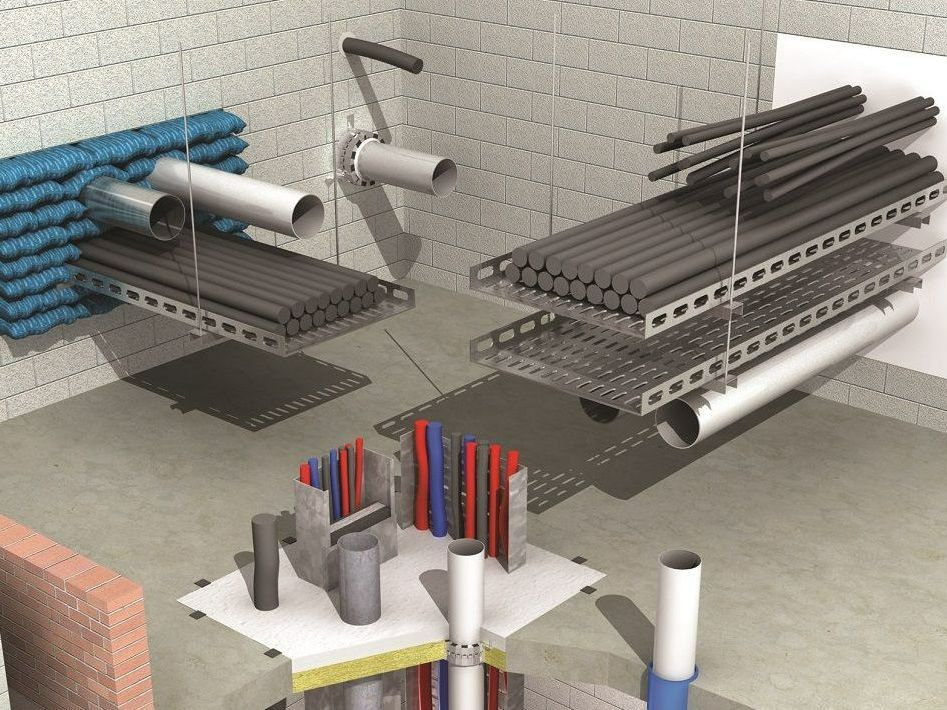
Firestop pillows are cushions that come in a variety of sizes, and are filled with fire-resistant materials. These pillows are typically friction-fitted around around pipes, cables, and other penetrations in fire-rated walls and floors where frequent access to the services they surround may be required, e.g. for maintenance purposes.
- Firestop Collars:
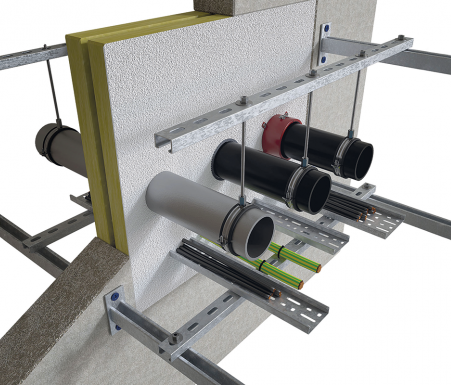
Firestop collars are used to seal around plastic pipes and cables that penetrate through fire-rated walls and floors. They are mechanically fixed to the surrounding solid substrate, e.g. brick or block work. The 'padding' within the metal outer will expand when exposed to heat, creating a barrier that helps to prevent the spread of fire and smoke. It is extremely important that all fixings are used correctly to ensure performance in accordance with the manufacturer's test data.
- Ablative Coated Batt or Boards:
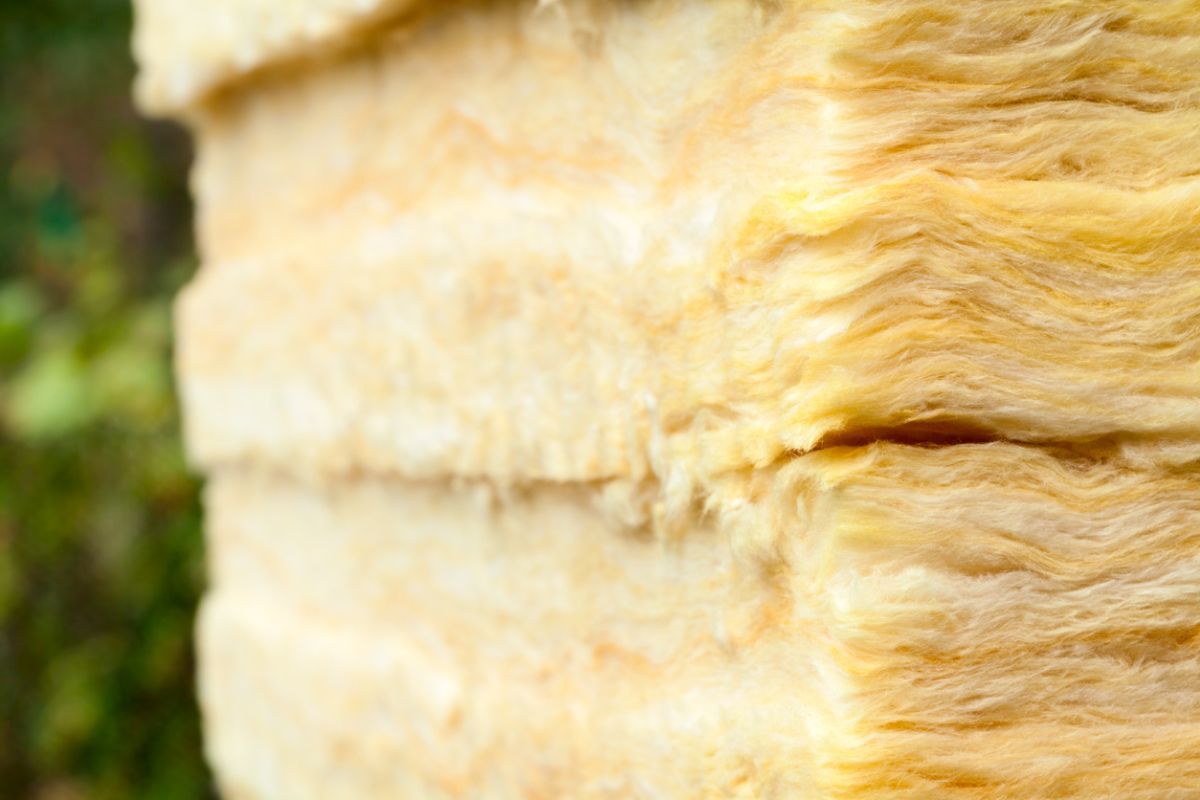
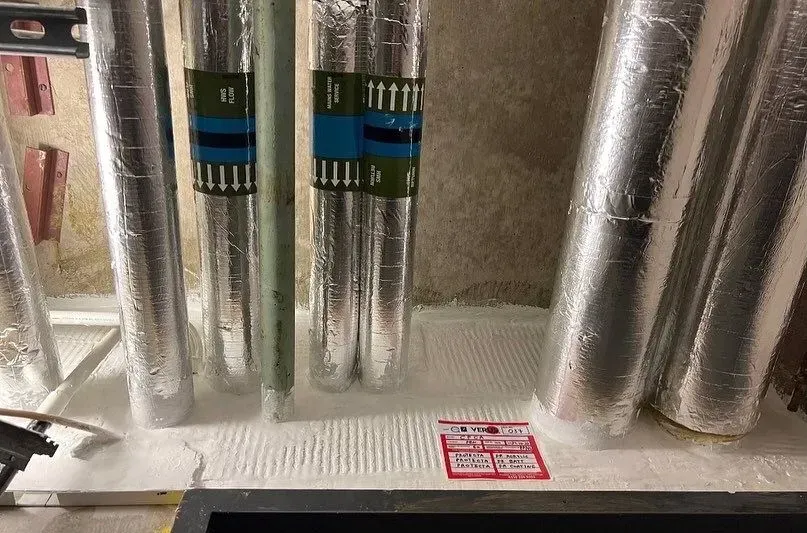
Ablative coated batt is made from high density mineral wool or other fire-resistant materials with a high performance exterior coating. They come in large slabs, typically approximately 1200x600mm with varying thickness, and can be cut to size to fill large openings in fire-rated walls and floors. These boards are typically used in areas where pipes, ducts, and other large penetrations need to be sealed and are often used in conjunction with an intumescent mastic for the seals, and a paint-like fire rated coating for any exposed batt edges.
When selecting firestopping materials, it is important to consider the specific requirements of the building and the applicable building codes and regulations. In addition, it is important to ensure that the materials are installed by trained and qualified passive fire protection installers Your selection will depend upon the test evidence that is available for a manufacturer's products, and will most likely result in a range of materials from the same manufacturer being used for each case.
Here are some links to the Protecta and Rockwool websites where you can find more information on their fire stopping products:
Protecta:
- Firestop collars: https://www.protecta.net/products/firestopping/collars/
- Firestop pillows: https://www.protecta.net/products/firestopping/pillows/
- Firestop putty pads: https://www.protecta.net/products/firestopping/putty-pads/
Rockwool:
- Firestop systems: https://www.rockwool.com/products-and-applications/fire-protection/
- Firestop intumescent sealants: https://www.rockwool.com/products-and-applications/fire-protection/intumescent-sealants/
- Firestop batts: https://www.rockwool.com/products-and-applications/fire-protection/firestop-batts/
These websites provide detailed information on the various fire stopping products offered by Protecta and Rockwool, including product specifications, installation instructions, and performance data. Additionally, they may offer resources such as brochures, technical documents, and case studies to help you make informed decisions about which products are best suited for your specific application.