Why Fire Compartmentation Surveys Matter for Fire Safety
Fire safety is a critical responsibility for anyone managing or owning a building. While alarms, signage, and evacuation plans often receive the most attention, the effectiveness of a building’s fire safety strategy depends just as heavily on what cannot be seen. Fire compartmentation plays a fundamental role in controlling the spread of fire and smoke, protecting escape routes, and safeguarding lives.
Fire compartmentation surveys are a key part of any thorough fire safety inspection. They assess whether the passive fire protection measures within a building are intact, compliant, and capable of performing as intended in the event of a fire. Without regular assessment, defects can remain hidden until a fire exposes them, often with severe consequences.
At Verus Group, fire compartmentation surveys form a core part of our approach to helping clients meet their fire safety obligations and maintain compliant, well-protected buildings.
What Is Fire Compartmentation?
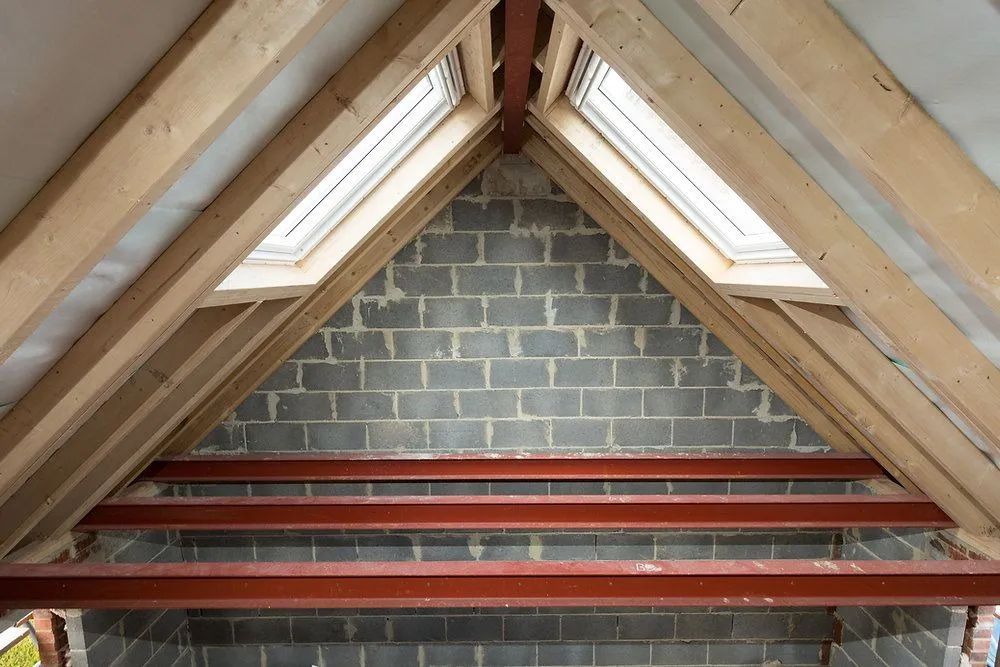
Fire compartmentation is the method of dividing a building into fire-resisting sections that are designed to contain fire and smoke for a defined period. These compartments are formed using fire-resistant walls, floors, ceilings, and fire doors, all of which must work together to limit the spread of fire.
Compartmentation aims to slow fire progression, protect escape routes, and provide occupants with time to evacuate safely. It also reduces structural damage and assists firefighting operations by preventing fire from spreading unchecked throughout a building.
If any element of a compartment is compromised, such as a wall penetration that has not been properly fire-stopped or a poorly installed fire door, the integrity of the entire compartment can be lost.
The Importance of Fire Compartmentation Surveys
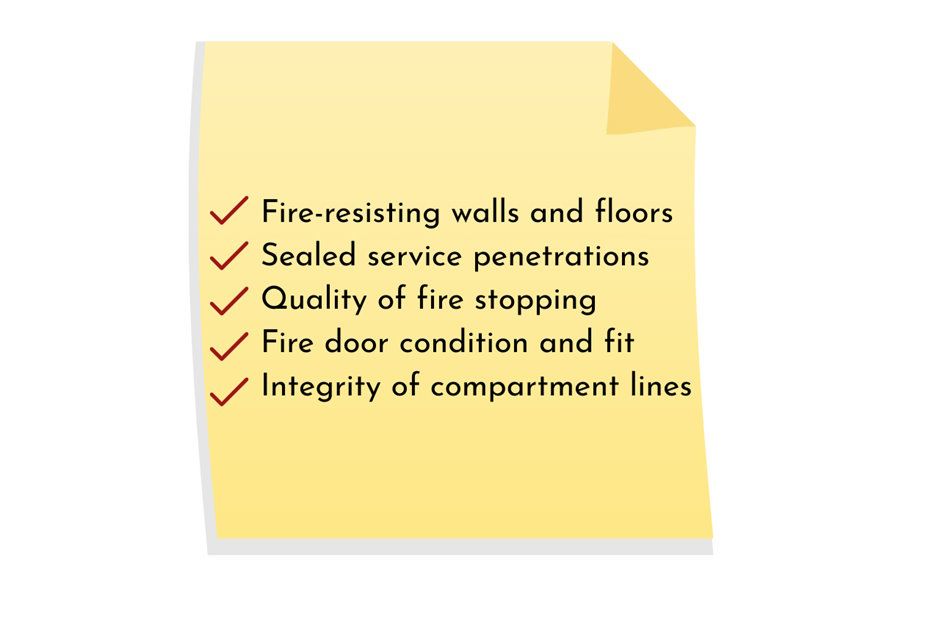
A fire compartmentation survey is a detailed inspection of a building’s passive fire protection systems. Unlike routine fire inspections, which may focus on visible and accessible elements, these surveys examine the structure of the building to identify breaches and weaknesses that could allow fire and smoke to spread.
Over time, buildings undergo changes. New services are installed, layouts are altered, and maintenance work takes place. Without careful control, these changes can compromise fire-resisting barriers. Even small openings around cables, pipes, or ductwork can create a pathway for fire and smoke.
Fire compartmentation surveys identify these issues early, allowing corrective action to be taken before safety is compromised. They are especially important in older buildings, high-risk environments, and premises with complex service installations.
Fire Safety Inspections and Legal Responsibilities
Fire safety inspections are a legal requirement under UK fire safety legislation. Duty holders must ensure that fire risks are identified, assessed, and controlled, including risks associated with the spread of fire through a building.
While standard fire safety inspections are essential, they may not always uncover concealed compartmentation defects. Fire compartmentation surveys enhance fire inspections by providing a deeper assessment of the building’s fire-resisting construction.
The findings from a compartmentation survey support fire risk assessments, helping duty holders demonstrate that reasonable steps have been taken to maintain fire safety measures. They also provide valuable documentation for audits, enforcement visits, and insurance purposes.
Fire Stopping Surveys and Compartment Integrity
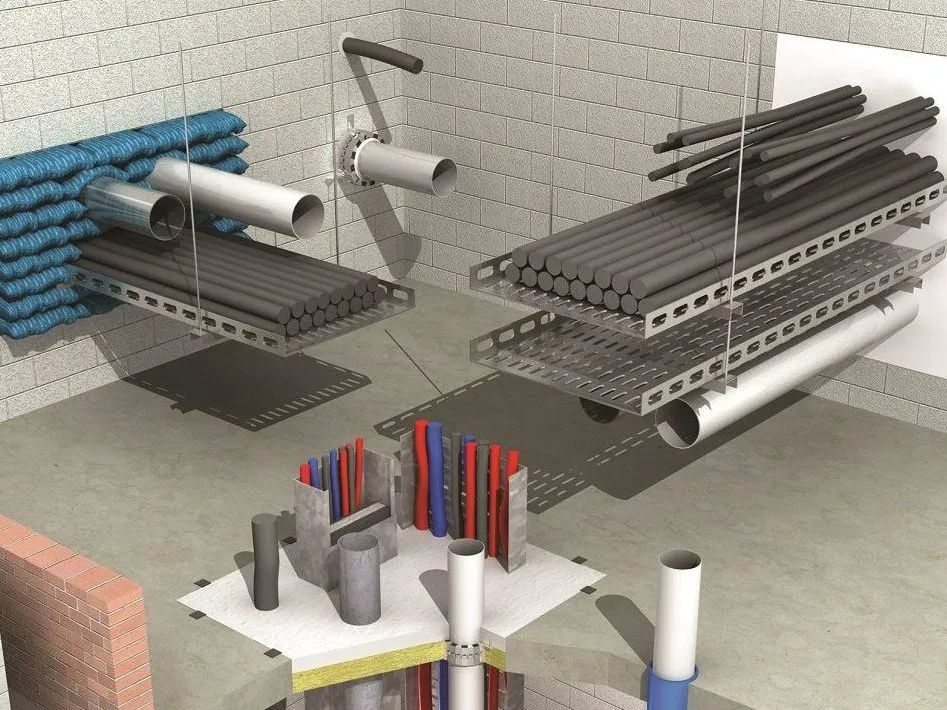
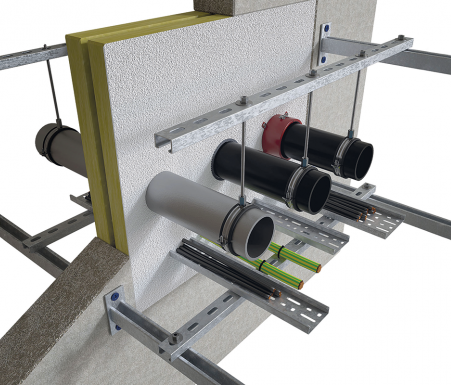
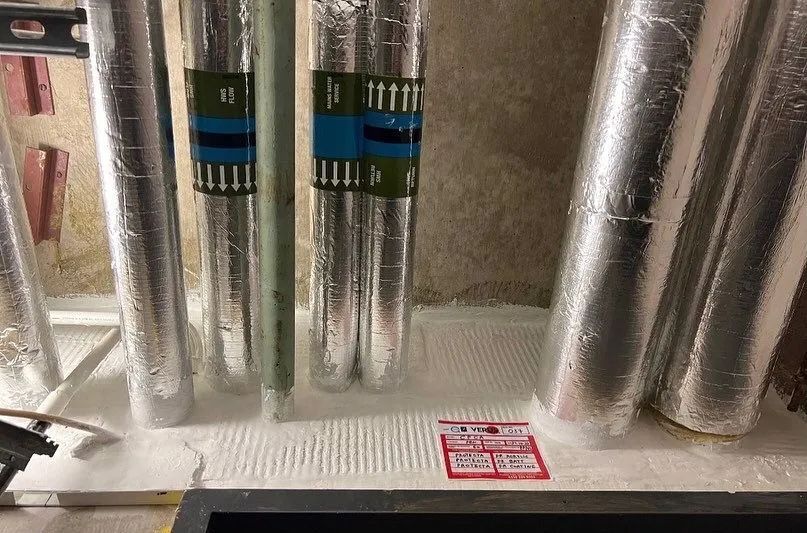
Fire stopping is one of the most common areas of failure identified during fire compartmentation surveys. Fire stopping involves sealing gaps and penetrations in fire-resisting walls and floors to maintain their fire resistance.
Poor or missing fire stopping can render compartmentation ineffective. Unsealed cable penetrations, incorrectly installed materials, or products that have not been tested for fire resistance can all allow fire and smoke to pass freely between compartments.
A fire-stopping survey focuses on assessing the quality and compliance of fire-stopping installations throughout a building. Where defects are identified, remedial works are required to restore the integrity of the fire compartments and ensure ongoing compliance.
At Verus Group, our fire stopping surveys are often carried out alongside compartmentation surveys, allowing issues to be identified and resolved efficiently.
The Role of Fire Doors in Fire Compartmentation
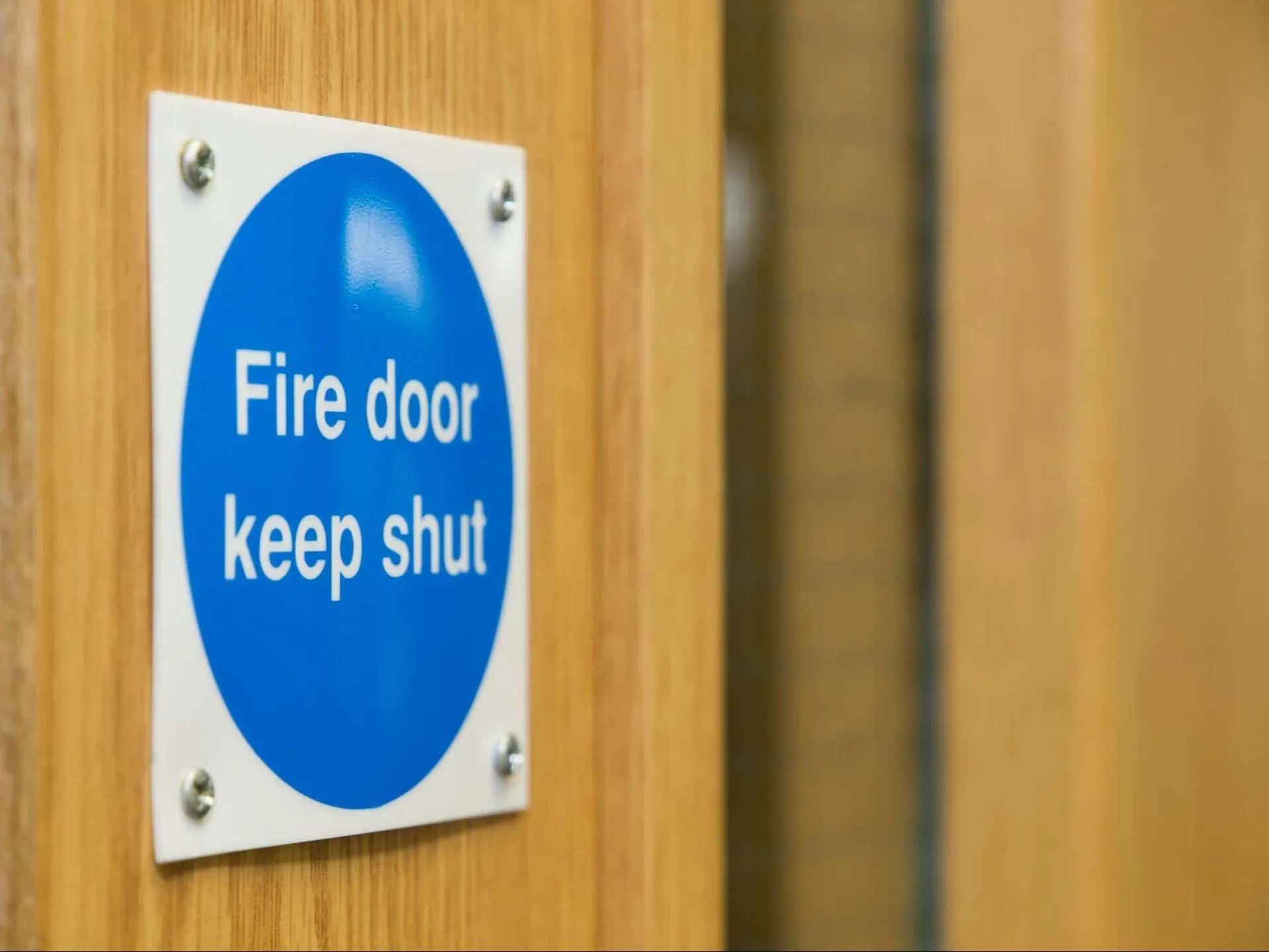
Fire doors are a critical part of any compartmentation strategy. They are designed to maintain fire separation while allowing everyday access, making their correct installation and maintenance essential.
During a fire compartmentation survey, fire doors are assessed to ensure they are correctly fitted, undamaged, and operating as intended. Even minor defects, such as damaged seals or incorrect clearances, can significantly reduce a fire door’s effectiveness.
Fire door installation must meet strict standards to ensure that doors perform under fire conditions. Where surveys identify issues, timely repairs or replacements are necessary to maintain compartment integrity and protect escape routes.
Preventing the Spread of Smoke and Fire
Smoke inhalation poses a serious risk during a fire, often causing injury or loss of life before flames reach occupants. Effective compartmentation helps limit the movement of smoke, keeping escape routes clearer for longer and reducing overall risk.
Fire compartmentation surveys play a crucial role in identifying pathways where smoke could spread, such as voids, risers, and service penetrations. Addressing these weaknesses improves the building’s overall fire performance and enhances occupant safety.
By preventing fire and smoke from spreading rapidly, compartmentation also reduces property damage and operational disruption, supporting business continuity in the event of an incident.
How Verus Group Delivers Expert Fire Compartmentation Surveys
At Verus Group, we provide professional fire compartmentation surveys as part of our comprehensive passive fire protection service. Our experienced engineers carry out detailed inspections, supported by clear reporting, photographic evidence, and practical recommendations.
What makes our service particularly effective is our ability to deliver remedial works alongside surveys. From fire stopping and fireproof coatings to fire door installation and repairs, we ensure that identified issues are resolved correctly and in line with UK fire safety standards.
We work across commercial, residential, healthcare, education, and specialist environments, tailoring our approach to suit the unique requirements of each building.
A Proactive Approach to Fire Safety
Fire compartmentation surveys are a vital part of effective fire safety inspections. They help identify hidden defects, ensure compliance with fire safety legislation, and play a key role in preventing the spread of fire and smoke.
For duty holders, taking a proactive approach to compartmentation is essential to protecting occupants and meeting legal responsibilities.
Contact us today to arrange a professional fire compartmentation survey or fire stopping survey. Our expert team is ready to help you strengthen your fire safety strategy and ensure your building remains safe, compliant, and fully protected.