How Air Sealing and Acoustic Sealing Work Together to Improve Building Safety and Performance
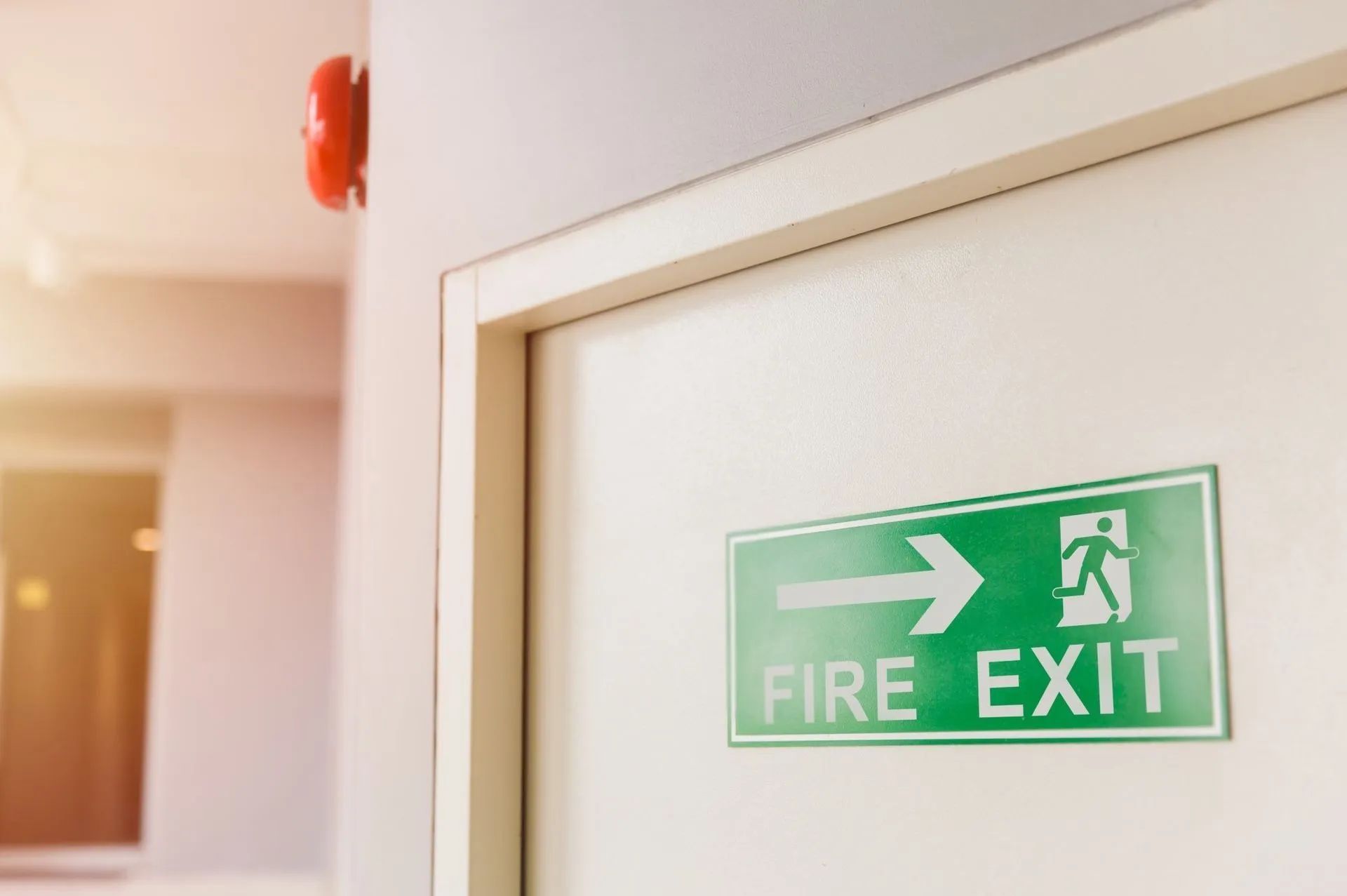
When people think about building safety, fire doors and sprinkler systems tend to come to mind first. But some of the most important protective measures in a building are ones you'll never see, hidden within walls, floors, and ceilings, quietly doing their job. Air sealing and acoustic sealing are two of those measures, and when they're done right, they deliver benefits that go far beyond what most building owners expect.
What Is Air Sealing?
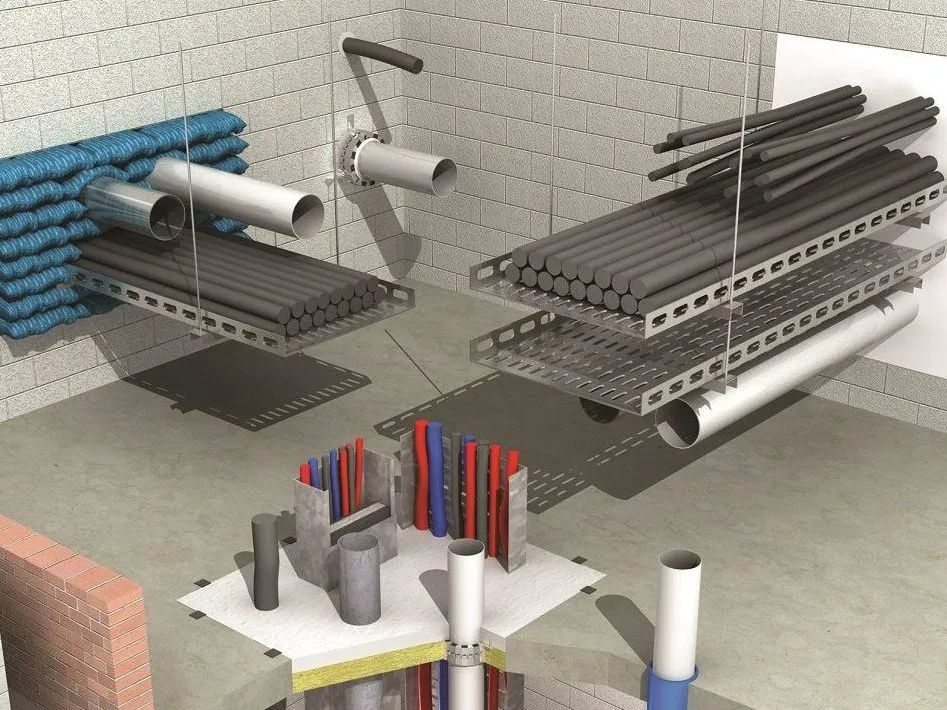
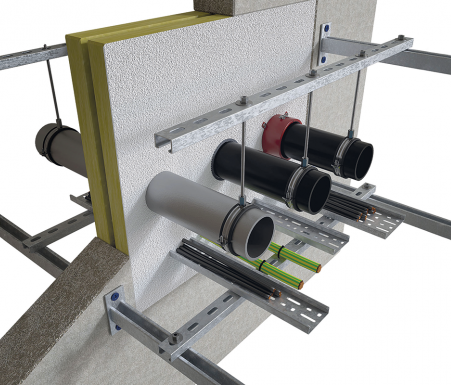
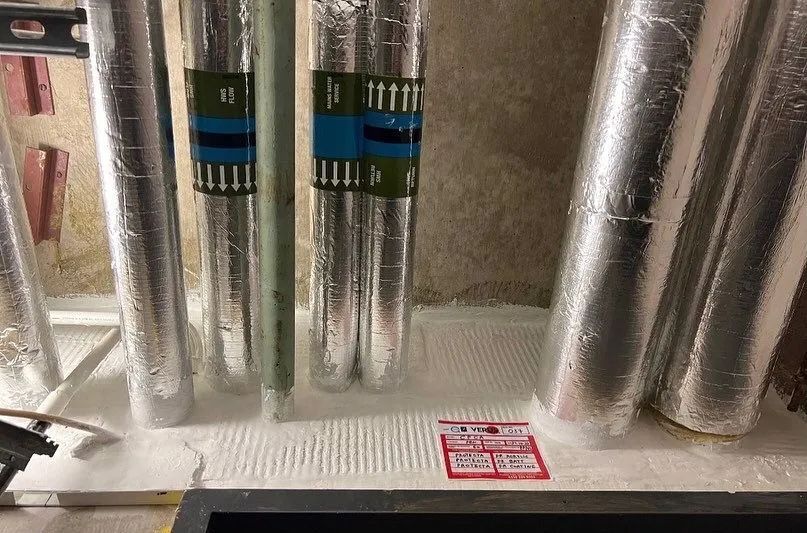
Air sealing is the process of closing gaps, cracks, and penetrations in a building's structure to prevent the uncontrolled movement of air — and, crucially, fire and smoke. Every time a pipe, cable, or duct passes through a wall or floor, it creates a potential pathway for fire and smoke to travel between compartments. Without proper seals in place, these hidden routes can allow a fire to bypass the very barriers designed to contain it.
This is why air sealing sits at the heart of passive fire protection. It helps maintain compartment integrity, giving occupants more time to evacuate safely and limiting the spread of damage. In the UK, it also ties directly into Building Regulations Part L, which governs air leakage and thermal performance, meaning it's not just a safety issue, it's a compliance one too.
There's an energy efficiency angle as well. A well-sealed building retains heat more effectively, reducing energy consumption and running costs over time. For landlords, facilities managers, and developers, that's a meaningful long-term saving.
What Is Acoustic Sealing?
Acoustic sealing addresses a different problem — noise. When sound travels between rooms, floors, or units in a shared building, it affects comfort, privacy, and in some environments, operational effectiveness. Think of a hospital where patient confidentiality matters, a school where classrooms must be free from corridor noise, or a block of flats where residents can hear every footstep from above.
Acoustic sealing uses specialist materials and seals to reduce sound transmission through gaps and penetrations in walls and floors. The result is a quieter, more comfortable environment for occupants, with improved speech privacy and reduced noise pollution.
Why the Two Work Better Together
Here's where it gets interesting. Many of the materials used in fire stopping and air sealing, particularly mineral wool insulation products like Rockwool, also deliver strong acoustic performance. This means that when a building is properly sealed for fire safety, it can simultaneously achieve better sound control.
Rather than treating these as separate workstreams, the smartest approach is to integrate them. A single, well-planned installation can seal penetrations against fire, smoke, and air leakage, while also reducing sound transmission between spaces. That means fewer contractors, less disruption, and a building that performs better on multiple fronts.
Who Benefits?
This integrated approach is particularly valuable in multi-occupancy residential blocks, healthcare facilities, hotels, education buildings, and commercial offices, essentially any building where both safety compliance and occupant comfort are priorities. In new builds, it's the ideal time to get this right from the start. In retrofit or refurbishment projects, it's an opportunity to address fire safety gaps while upgrading acoustic performance at the same time.
Getting It Right
Like all passive fire protection work, air sealing and acoustic sealing must be carried out correctly to be effective. Poor workmanship, incorrect materials, or unsealed penetrations created by later building works can compromise the entire system. That's why it's essential to work with an experienced, accredited contractor who understands both the technical requirements and the relevant regulations.
At Verus Group, we deliver air sealing and acoustic sealing as part of a fully integrated passive fire protection service, using proven materials, certified installations, and comprehensive documentation. If you'd like to discuss your building's requirements, get in touch with our team today on 0330 220 0303.