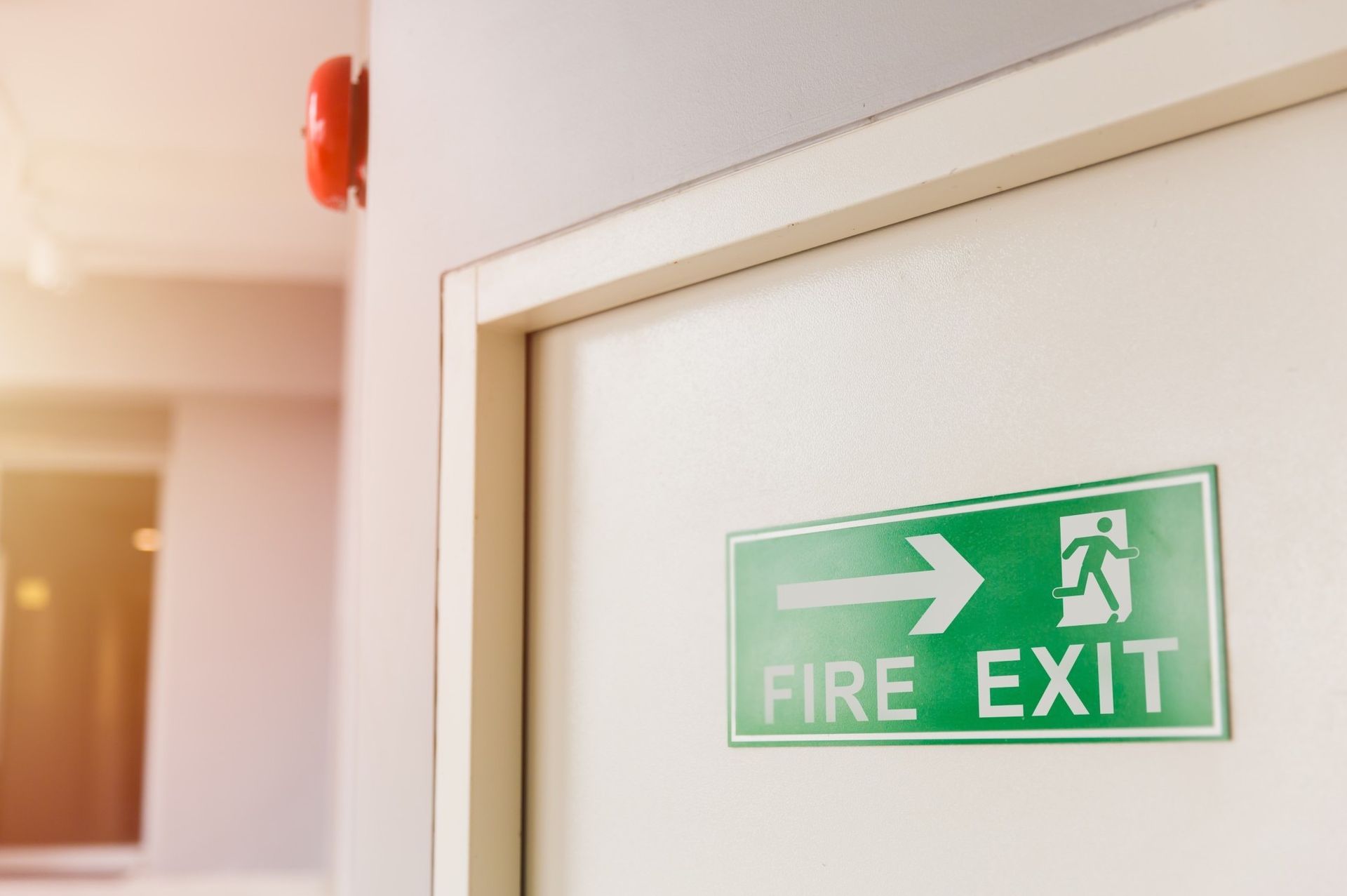
Your Comprehensive Guide to Loft Compartmentation Surveys

5 May 2026

Loft spaces are often out of sight and out of mind, yet they play a crucial role in a building’s overall fire protection strategy. Poorly maintained or incomplete compartmentation within roof voids can allow fire and smoke to spread rapidly across a property. A professional compartmentation survey is therefore essential to ensure that your building remains compliant, protected and safe for occupants.


At Verus Group Ltd, based in Maidenhead, we specialise in passive fire protection solutions across the UK. Delivering fire stopping, fireproofing and fire door installations, we understand how vital effective loft compartmentation is within residential, commercial and social housing settings.


What Is Loft Compartmentation?


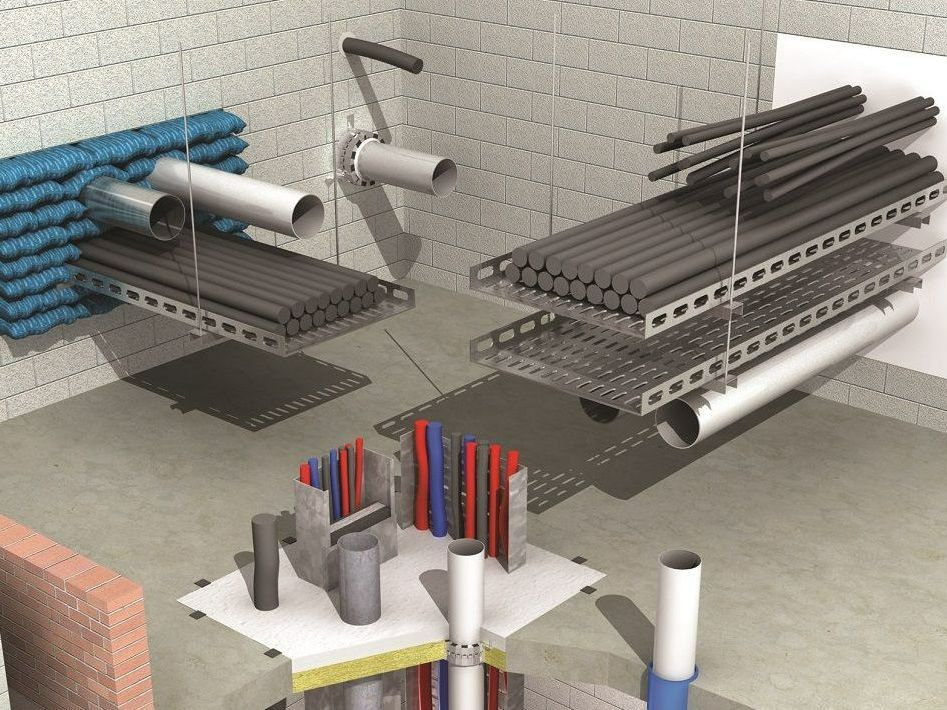
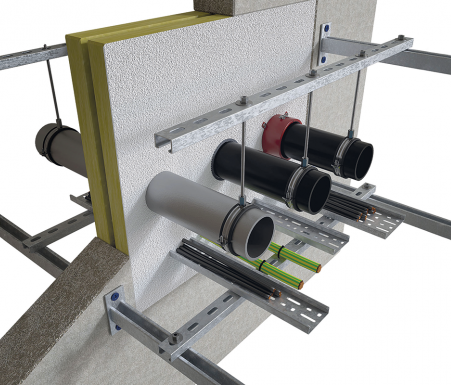
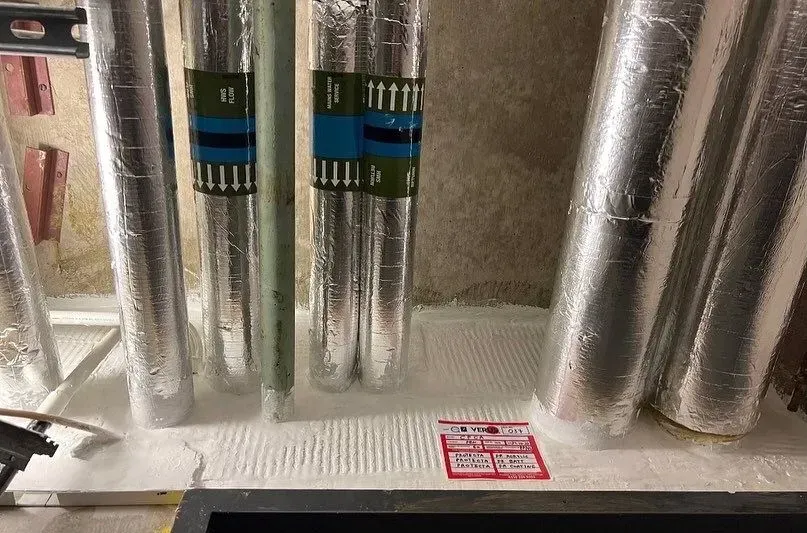
Compartmentation is the method of dividing a building into separate fire-resistant sections to prevent the spread of fire and smoke. In loft spaces, this often involves fire-stopping measures around party walls, service penetrations, structural junctions and voids. These measures are designed to maintain the integrity of fire-resistant barriers and ensure they perform as intended in the event of a fire.


Over time, alterations to electrical systems, plumbing, ventilation or insulation can compromise these barriers. Without proper inspection, gaps and breaches may go unnoticed, significantly weakening the building’s fire protection.


Why a Survey Is Essential


A compartmentation survey provides a detailed assessment of the condition and effectiveness of fire-resistant barriers within the loft. During the survey process, our experienced engineers conduct a thorough inspection to identify defects, missing fire-stopping, poorly sealed penetrations and any non-compliant works.


The findings are carefully documented, providing clear evidence of the current state of compartmentation. This enables building owners, landlords and facilities managers to understand where remedial compartmentation works are required to restore compliance.


Regular surveys are particularly important in social housing, residential developments and large commercial buildings, where shared roof spaces can allow fire to travel between units if not correctly separated. Early identification of issues reduces risk and helps prevent costly future damage.


The Importance of Professional Compartmentation Works


Once issues have been identified, effective compartmentation works must be carried out using appropriate materials and approved installation methods. Passive fire protection is not a one-size-fits-all service. Each building requires a tailored approach based on its structure, usage and regulatory requirements.


Protecting Your Building for the Future


Loft compartmentation is a fundamental element of a robust fire protection strategy. By identifying weaknesses early and carrying out timely remedial works, you significantly reduce the risk of fire spreading unseen through roof voids.


As an accredited passive fire protection company, we are committed to delivering high standards across every sector we serve.


If you are responsible for a property and would like to arrange a professional compartmentation survey, contact us at Verus Group Ltd today. Our expert team is ready to help you safeguard your building with reliable, compliant fire protection solutions.

5 May 2026
Discover how rockwool mineral insulation enhances fire protection, improves compartmentation, and helps safeguard buildings & occupants, with Verus Group.
5 May 2026
Discover why quick and effective fire door repairs are vital for safety and compliance. Protect your building with expert support from Verus Group.
5 May 2026
Fire stopping is one of the most fundamental elements of passive fire protection, yet it is often misunderstood or overlooked. At Verus Group , we see first-hand how correctly designed and installed fire stopping systems play a vital role in protecting lives, property, and compliance across all building types. What Is Fire Stopping? Fire stopping refers to the sealing of gaps and penetrations within fire-resistant walls, floors, and compartments. These openings are commonly created by service installations such as pipes, cables, ductwork, and structural joints. Without appropriate fire stopping materials and methods, fire and smoke can spread rapidly through a building, bypassing critical fire barriers. Effective fire stopping helps maintain the integrity of fire compartmentation, allowing occupants time to evacuate safely and limiting damage until emergency services arrive. Why Fire Stopping Is Essential for Safety The primary purpose of fire stopping is to slow the spread of fire and smoke. Smoke inhalation is one of the leading causes of fire-related injuries and fatalities, and poorly sealed service penetrations allow smoke to travel unchecked through a building. By ensuring all fire-resistant elements perform as intended, fire stopping supports safe evacuation routes, protects escape stairwells, and reduces the risk of fire spreading between compartments, floors, or adjoining properties. Compliance and Legal Responsibilities Fire stopping is not just best practice, it is a legal requirement. UK building regulations and fire safety legislation place responsibility on building owners, duty holders, and facilities managers to ensure passive fire protection measures are properly installed and maintained. Inadequate or non-compliant fire stopping can lead to enforcement action, project delays, costly remedial works, and serious liability in the event of a fire. Regular inspections, surveys, and repairs are essential to demonstrate compliance and ongoing due diligence. The Risks of Poor or Incomplete Fire Stopping Common issues we encounter include incorrect materials, poor workmanship, undocumented installations, and damage caused by later building works. Even small gaps can compromise an entire fire compartment. Fire stopping repairs are often required in older buildings, retrofit projects, and sites that have undergone multiple service alterations over time. Identifying these risks early through professional fire stopping surveys can prevent significant safety failures. The Verus Group Approach to Fire Stopping At Verus Group, we deliver fire stopping installation, surveys, and remediation works tailored to each building’s structure and use. Our experienced engineers work across commercial, residential, healthcare, education, and industrial sectors, using tested systems from reputable manufacturers. We take a meticulous approach, ensuring all works are correctly installed, fully documented, and certified. This provides our clients with confidence that their buildings meet current fire safety standards and perform as intended. Protecting Buildings Today and for the Future Effective fire stopping is not a one-time task. Buildings evolve, services change, and materials degrade. Ongoing inspection and maintenance are critical to preserving fire safety throughout a building’s lifecycle. By prioritising fire stopping as part of a wider passive fire protection strategy, organisations can significantly reduce risk and ensure long-term compliance. Speak to Verus Group Today If you are responsible for building safety and want to ensure your fire stopping is compliant, effective, and fully certified, Verus Group is here to help. Contact our expert team today to arrange a fire stopping survey or discuss your project requirements. We are the trusted partner you can rely on for passive fire protection.
11 February 2026
Learn how a fire protection system works, including fire stopping, fire doors, & the role of fire protection. Ensure your building is safe & compliant.
14 January 2026
Fire door inspections explained for property managers, covering legal duties, inspection processes, common issues, and how Verus Group supports compliance.
by Verus Group 5 June 2025
Verus Group is proud to partner with Thames Hospice, a leading charity providing expert palliative and end-of-life care to those facing terminal illness across East Berkshire and South Buckinghamshire.
by Verus Group 10 March 2025
If you delved into the various facets of fire safety, you've probably encountered the concepts of 'active' and 'passive' fire protection. But what do these terms actually mean?
by Verus Group 4 January 2024
Discover why fire stopping in schools is vital for safety. Verus Group highlights best practices and solutions for protecting students and staff.
by Verus Group 14 December 2023
Learn what fire compartmentation is and why it’s essential for building safety. Verus Group explains how it helps control fire spread and saves lives.
by Verus Group 17 October 2023
Discover the Golden Thread in fire safety and building management, ensuring accurate information, accountability and compliance across a building’s lifecycle.